
 kinkytiger
Gender identities are not that straightforward
(or binary either)
Across the world many cultures recognised more than two genders. This is not news. Need some examples?
Among Indigenous nations of North America, people known today as Two-Spirit have long held honoured roles that combine masculine and feminine spirits, with meanings that vary from tribe to tribe. In South Asia, Hijra communities are recognised as a third gender. In Samoa, fa’afafine embody both masculine and feminine roles. The Bugis of Indonesia describe five genders, and the Muxe of Oaxaca, Mexico, celebrate identities beyond male and female.
Us humans have always been bigger than just binary, but society tried to shrink it.
Gender isn’t a lifestyle choice or a fashion trend. It’s a deep, personal truth about who someone is.
Some people’s gender matches the sex they were assigned at birth. Others’ does not. Some don’t feel a connection to “male” or “female” at all. All of these realities are valid.
Here are some of the identities you might hear about—this isn’t a menu to pick from, it’s a glimpse of the many ways people experience themselves. There are more but I think these are the most common! Here thy are:
-
Cisgender – gender matches the sex assigned at birth.
-
Transgender – gender differs from the sex assigned at birth.
-
Non-binary – any gender identity that isn’t strictly male or female.
-
Genderfluid – a gender that moves or changes over time.
-
Agender – feeling no gender connection.
-
Bigender – identifying with two genders.
-
Demiboy / Demigirl – partly male/female, partly something else.
-
Two-Spirit – a sacred identity in some Indigenous cultures, each with its own traditions.
-
Genderqueer, Neutrois, Maverique, Xenogender… – words people use to describe identities that existing language hasn’t captured.
If you’d like to know more, the Wiki page has a full list.
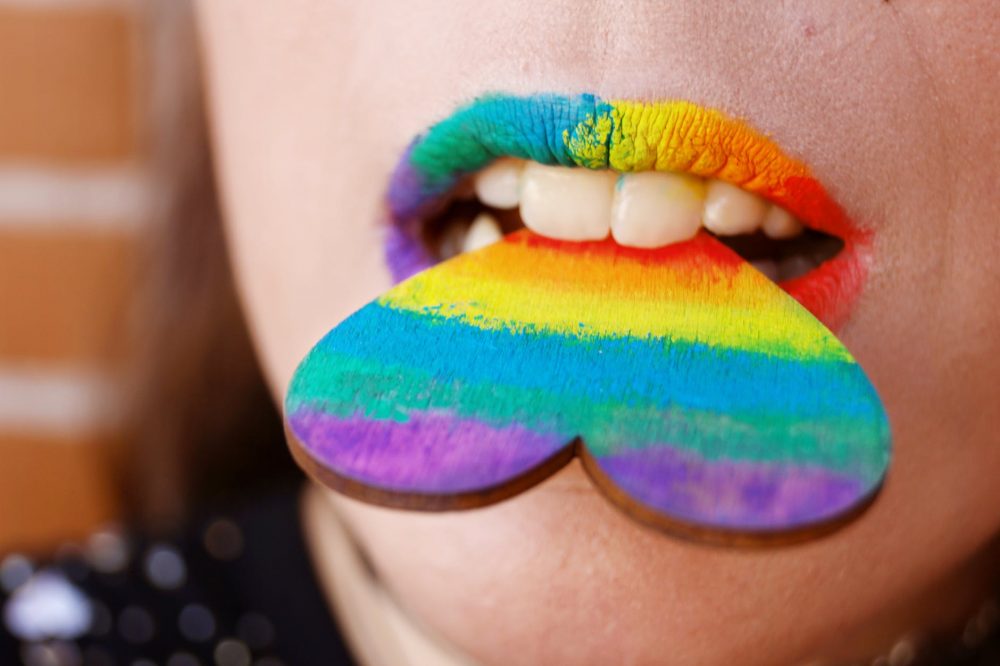
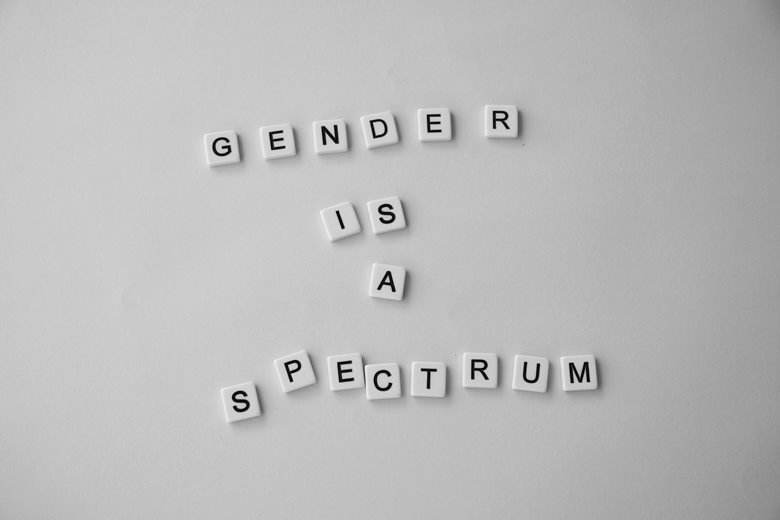
Language keeps evolving because people exist in ways we’re still learning to name. These words aren’t about choosing an outfit but about describing an inner reality so others can see (and respect it if you are lucky enough).
What does this mean in life (and kink)?:
-
Never assume. Ask pronouns and use the ones given.
-
Respect the identity. Someone’s gender is not up for debate or negotiation.
-
Stay open. Terms change as understanding grows; keep listening and learning.
Kink thrives on communication and consent, and so does gender respect. When we honour each person’s truth, whether in the dungeon or over drinks, we create space for connection, safety, and play that everyone can enjoy.
Related posts

Are trigger words political?
Trigger words started off as a trauma tool, but ended up n culture wars. What does that mean? How do you balance care, responsibility, and free speech?
Not an April’s Fools, instead just good news!
Catcalling is now a crime in the UK. A step towards safety, accountability, and recognising the real impact of public harassment on women and girls. YAY!
Fantasy or reality. Which one do you want?
Kinky dating and how submissive men care more about the fantasy than you, and I need to have a little rant about it, but I try to be constructive 🙂

This is my out of office while on holiday!
I am currently bingeing on panettone (and kinky tv shows) while on holiday. Back next month 🙂 (also feel free to donate to a good cause this year)
Organise the event you want to see
Not every kink event fits your fantasy. So why not create one that does? Make it happen. Build the space you want to see in the kink community!
Flogging… erm, I mean Flagging. As in Flags.
Dating is messy, but knowing dating flags can help spot the good, the bad, and the quirky. From red to tiger-striped, here’s how to colour-code your love life.